
Indian Fresh Vegetables We Export



How Does Crown Legacy Naturals Plan Seasonal Vegetable Supply?
01
Planning with growers ahead of each season
Supply planning starts with the growers. We work with established farmers and discuss expected harvest periods, likely volumes, and quality in advance, so the vegetables you need for fresh vegetables export from India are lined up before the crop is ready. Early planning also helps growers prepare fields and labour for the harvest, which supports steadier quality and availability.
02
Season-Wise Crop planning
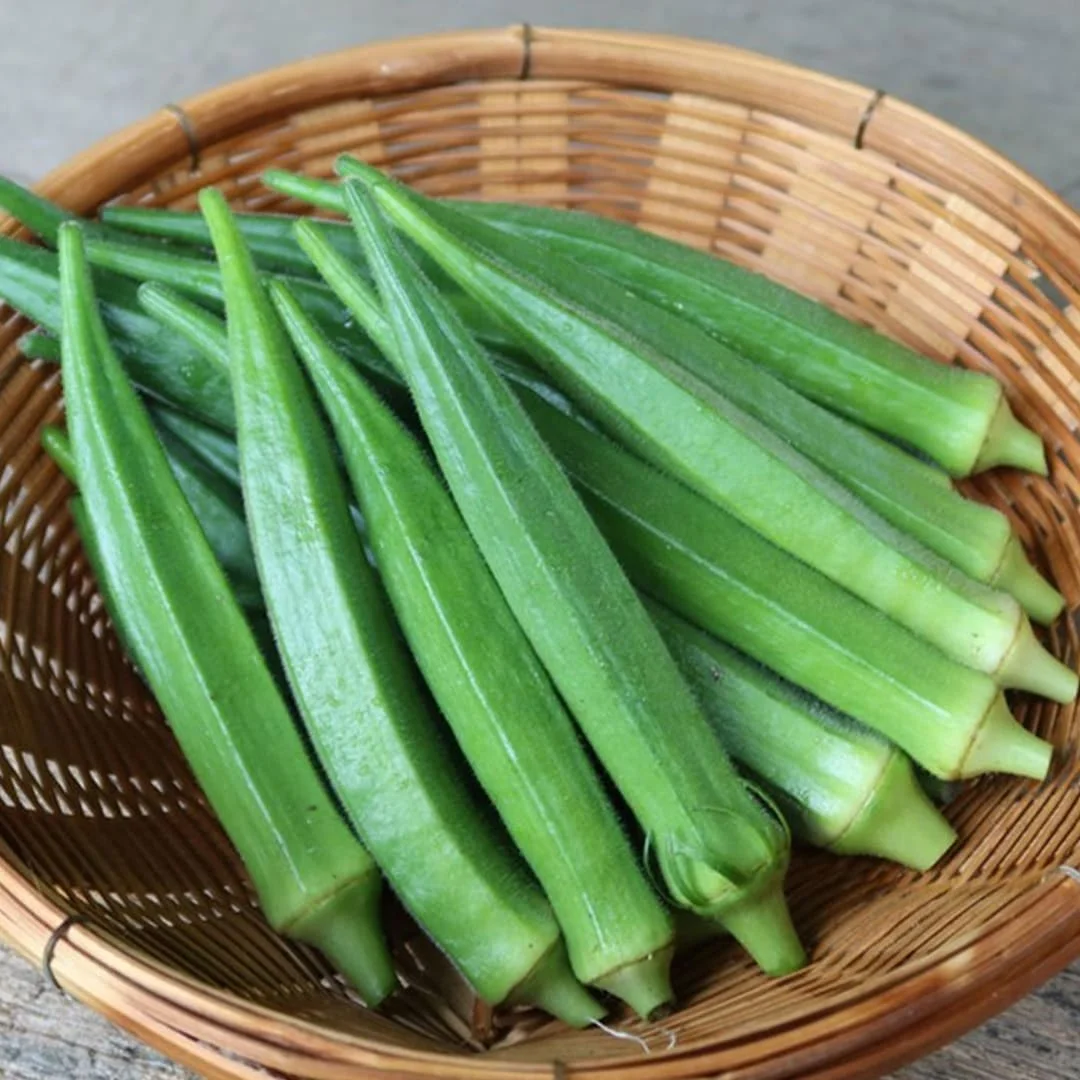
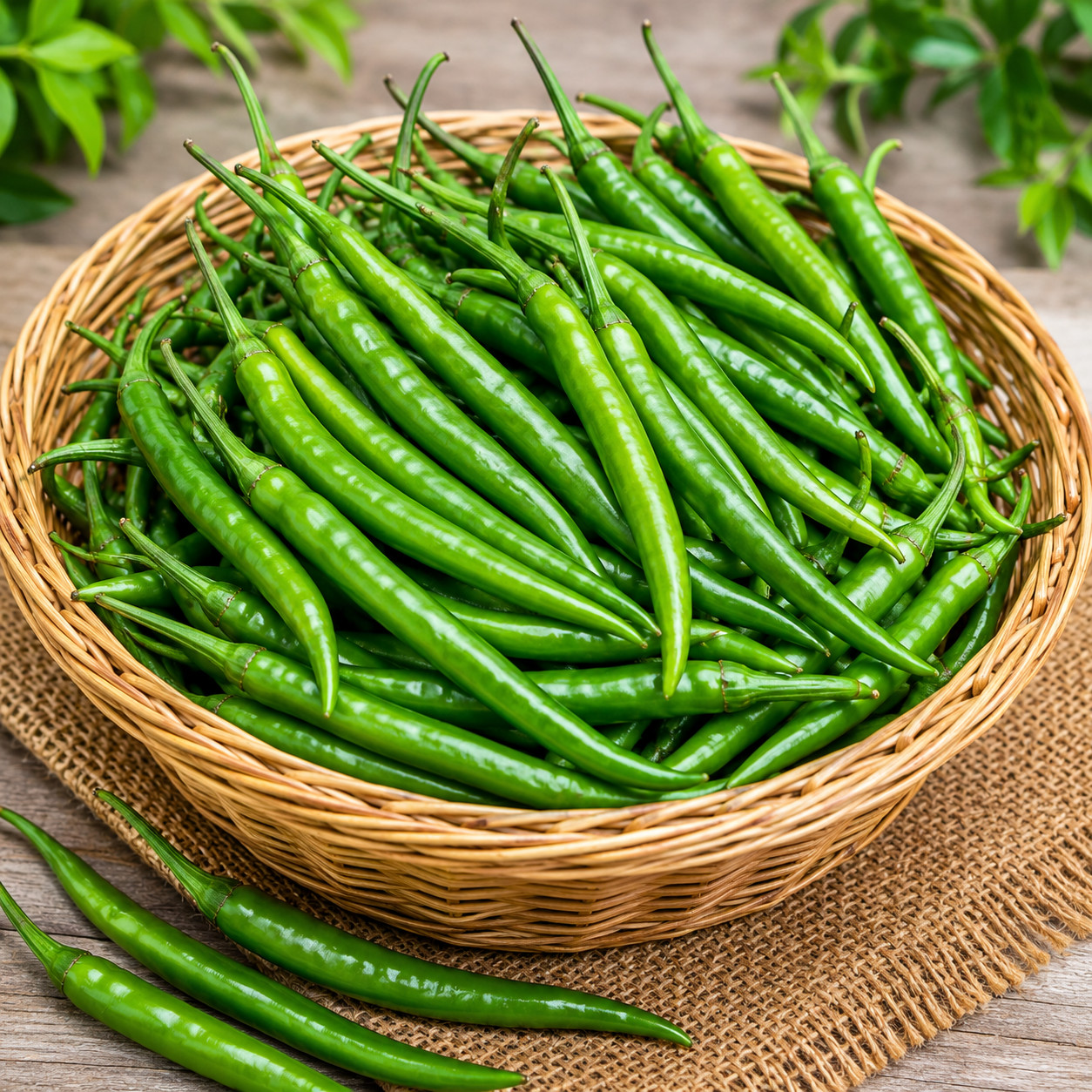
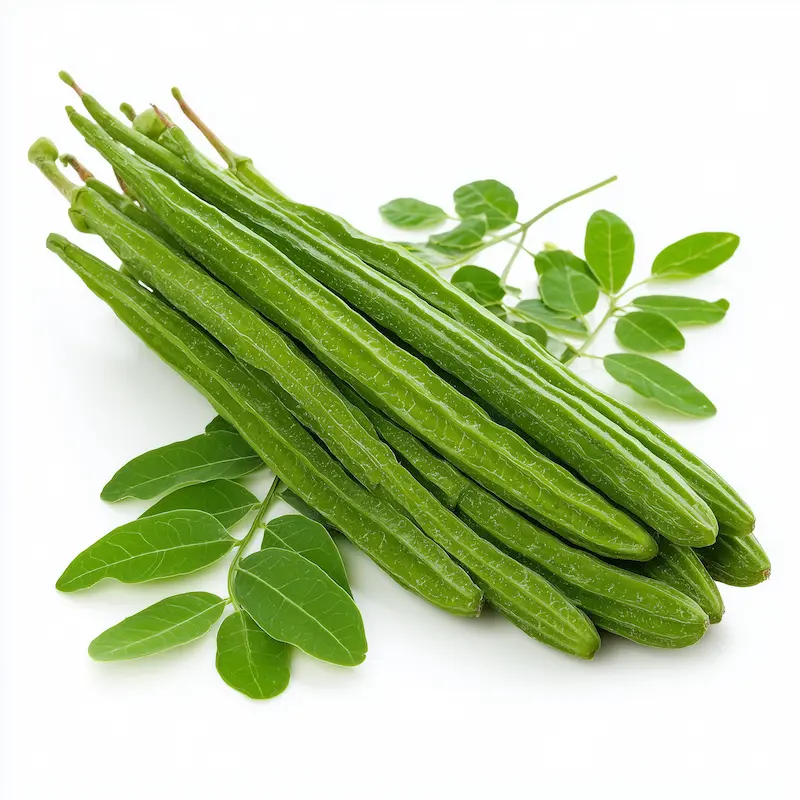
Every vegetable has a period when it grows best and tastes its best. Okra, green chilli, bitter gourd, and drumstick respond differently to heat, rain, and cooler weather, so a dependable Indian vegetable supplier plans each one according to its own cycle. Matching the vegetable to its natural season gives better size, colour, and texture than forcing supply out of season.
03
Staggered harvests for steady bulk supply
Large orders are rarely filled from one harvest. Where the crop allows, supply is spread across several harvests and sources, so volumes stay steady across a fresh vegetables export from India programme and not in a single rush. This is how a quality vegetables exporter keeps size and freshness consistent from the first consignment to the last.
04
Weather and Yield Planning
Rain, heat, and pests affect yield and quality from one season to the next, and vegetables show the effect faster than most produce. Indian fresh vegetable exporters allow for this by tracking crop conditions during the season and adjusting sourcing early, so you hear about changes in availability before they affect your delivery dates.
05
Confirming availability before delivery dates are fixed
Availability for the same vegetable can change within a few weeks. We confirm current supply before you commit to quantities and dates, so the order is built on what can actually be harvested and not on last season's calendar.
06
Scheduling dispatch close to harvest
Vegetables lose freshness with every hour between the field and the port. Harvesting, grading, packing, and dispatch are therefore scheduled close together, keeping the gap between picking and shipping as short as the order allows.