
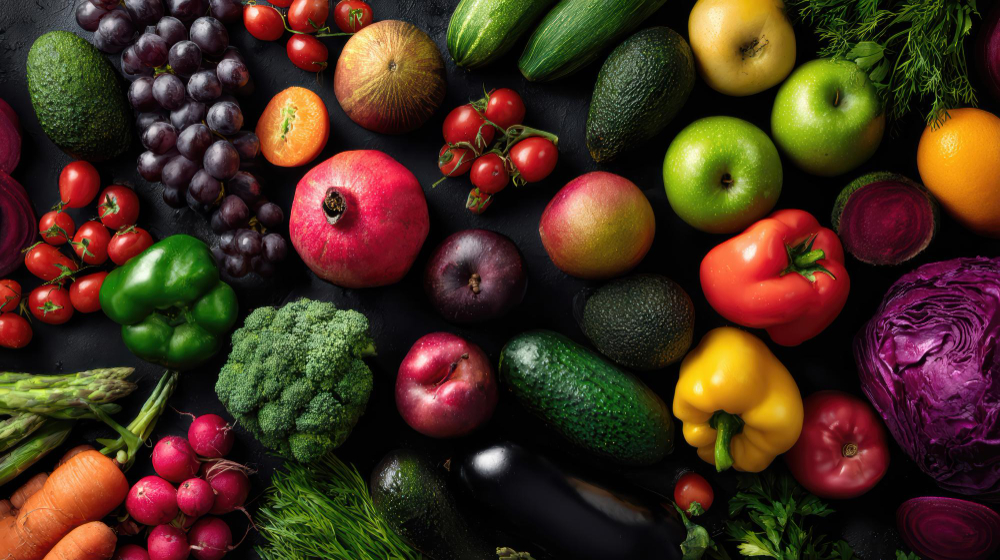
India’s diverse climate and agricultural regions make it possible to source a wide range of fresh fruits and vegetables throughout the year. However, every product has its own growing, harvesting, and export window.
For international importers, understanding seasonality is essential for planning reliable supply.
Why Seasonality Matters
Fresh produce is directly influenced by growing conditions, weather, harvest cycles, and regional availability. Buying during the right export window can help importers secure better product availability and plan shipments more effectively.
Seasonal planning can help buyers:
- Secure expected volumes
- Plan purchasing schedules
- Coordinate packaging requirements
- Arrange freight in advance
- Prepare receiving facilities
- Align promotions with product availability
India’s Diverse Growing Regions
India has several major agricultural regions producing fruits and vegetables for domestic and international markets.
Crown Legacy works with grower networks and packhouses across key producing regions, including Gujarat, Maharashtra, Andhra Pradesh, and other agricultural areas.
This regional sourcing network helps us plan procurement according to crop availability and seasonal conditions.
Plan Around the Export Window
For importers, the harvest date is only one part of the planning process.
A successful buying program should consider:
Harvest Window
When the crop reaches the appropriate maturity for harvesting.
Packing & Preparation
Time required for grading, packing, quality checks, and pre-cooling.
Export Window
When the product is suitable for international shipment.
Transit Time
The expected journey from India to the destination market.
Arrival Condition
The quality, maturity, and shelf life required when the shipment reaches the buyer.
Planning Seasonal Supply
Importers purchasing regularly can benefit from discussing expected requirements before the season begins.
Advance planning allows buyers and exporters to align on:
- Product variety
- Quality and grade
- Expected volumes
- Packaging format
- Shipping method
- Delivery schedule
This approach can provide greater visibility than relying on last-minute spot-market availability.
Why Early Planning Helps
Fresh-produce markets can change quickly during peak seasons. Weather conditions, harvest volumes, market demand, and logistics can all affect availability.
Starting discussions early gives buyers more time to establish product specifications and coordinate their supply program.
Final Takeaway
Understanding when Indian fruits and vegetables are available is an important part of successful international sourcing.
Crown Legacy works directly with growers and packhouses to coordinate seasonal sourcing and export programs based on buyer requirements and market availability.
Planning Your Seasonal Buying Program?
Speak with Crown Legacy about upcoming availability.