
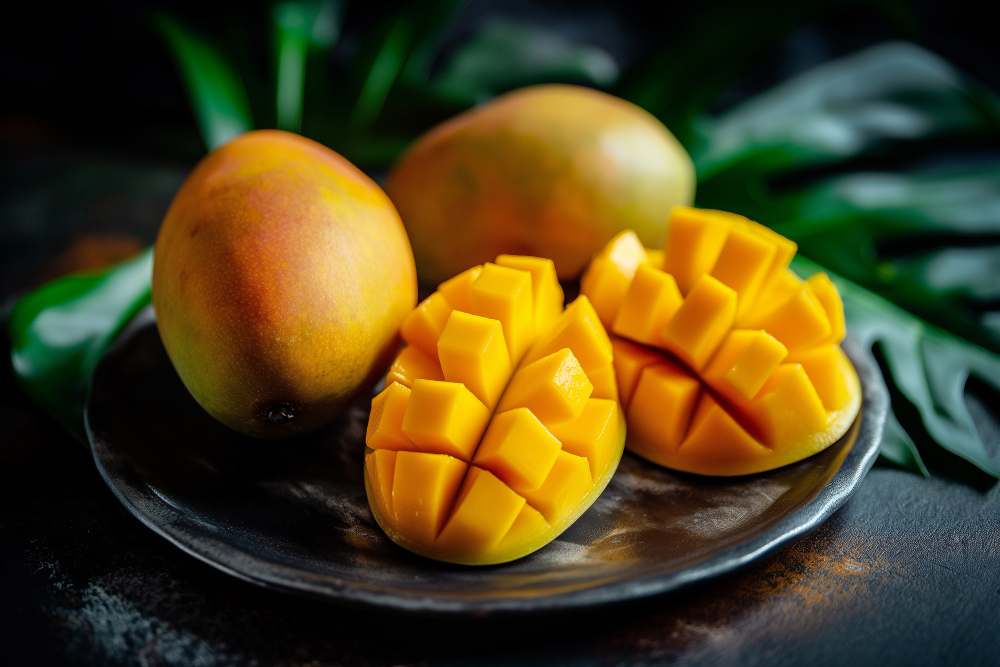
Indian mangoes are popular in international markets, but exporting mangoes to the USA requires careful coordination with applicable agricultural, food-safety, treatment, and import requirements.
For importers, understanding the process before the season begins can help make shipment planning smoother and more predictable.
Why Mangoes Have Specific Import Requirements
Mangoes are agricultural products and may carry pests that are regulated by importing countries. The USA therefore has specific requirements for mangoes entering its market from India.
Exporters and importers need to make sure that the applicable treatment, documentation, inspection, and import procedures are completed correctly.
Understanding the Irradiation Requirement
Indian mangoes exported to the USA are subject to an approved phytosanitary treatment protocol.
Irradiation is used as a phytosanitary treatment to help manage regulated pests and forms an important part of the established import process for Indian mangoes.
The treatment must be completed through the appropriate approved process before the shipment proceeds to the US market.
From Indian Farm to USA
A typical mango export program involves several stages.
01 — Harvest
Mangoes are harvested at the appropriate export maturity based on variety, destination, expected transit time, and buyer specifications.
02 — Packhouse
After harvest, the mangoes are taken through the required handling process, including sorting, grading, quality checks, and export packing.
The objective is to prepare consistent produce that meets the agreed specifications.
03 — Quality & Documentation
The shipment is prepared with the applicable export documentation and quality records.
Depending on the shipment and destination requirements, documentation may include phytosanitary certification, certificate of origin, commercial documentation, and applicable quality or residue reports.
04 — Approved Treatment
The mango shipment undergoes the required approved treatment in accordance with the applicable US import protocol.
This step is critical to meeting the phytosanitary requirements for entry into the USA.
05 — Export & Transit
Once the required procedures are completed, the shipment is dispatched using the appropriate transportation method.
Depending on the shipment requirements, mangoes may move by air freight or other suitable temperature-controlled logistics.
06 — USA Arrival
After arrival, the shipment goes through the applicable customs and agricultural import procedures.
Coordination between the importer, customs broker, logistics providers, and receiving facility helps keep the delivery process organized.
What Importers Should Plan Before Mango Season
Importers should confirm their requirements well before the shipment is ready.
Important considerations include:
- Mango variety and grade
- Expected shipment volume
- Packaging requirements
- Treatment requirements
- Export documentation
- Freight method
- Customs broker
- Receiving warehouse
- Delivery schedule
Early coordination helps reduce last-minute issues and gives every party a clear understanding of the shipment plan.
The Importance of Coordination
A successful mango shipment involves more than the exporter and importer. Growers, packhouses, treatment facilities, freight providers, customs brokers, and receiving warehouses all play a role.
Clear communication between these parties helps keep the shipment moving from harvest to packhouse, treatment, export, and final delivery.
Final Takeaway
Shipping Indian mangoes to the USA requires careful planning and compliance with the applicable import protocol. Understanding treatment, documentation, logistics, and clearance requirements before the season begins can make the process much smoother.
Crown Legacy works with Indian growers, packhouses, logistics partners, and international buyers to coordinate fresh mango exports from India to the USA and other global markets.
Planning to Import Indian Mangoes?
Talk to Crown Legacy about your upcoming mango program.